
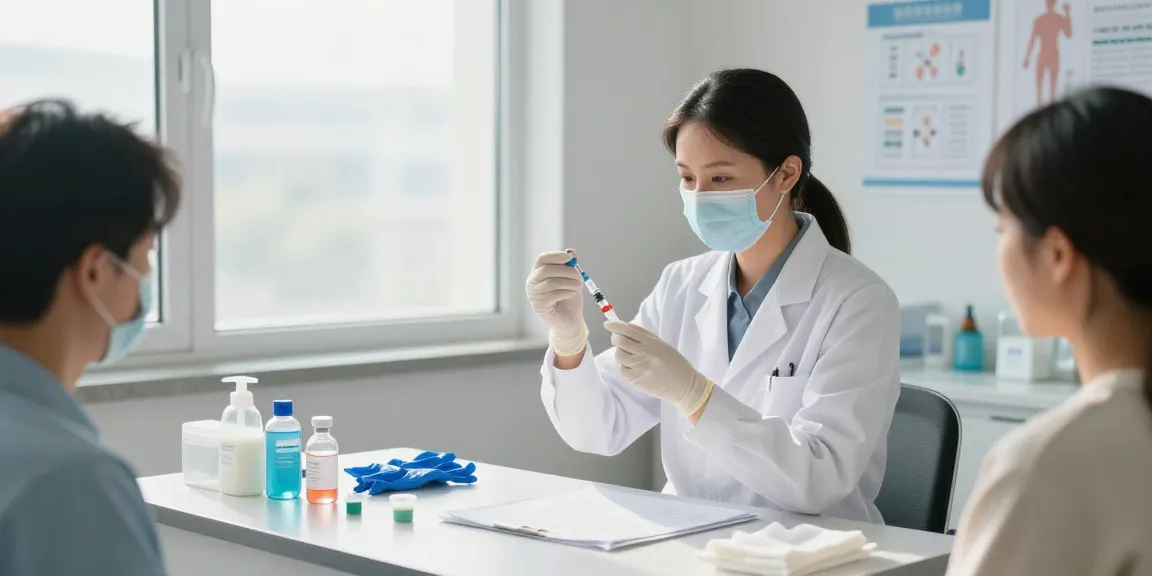
Understanding the Importance of the 10 ML Syringe
The 10 ML syringe is a vital tool in healthcare settings, playing an essential role in medication delivery, whether it’s for intramuscular, intravenous, or subcutaneous administration. This specific size syringe is preferred for many medical procedures due to its ability to accurately measure and administer larger volumes of fluids. When exploring options, 10 ML syringe provides comprehensive insights into how this device can enhance precision and comfort for both healthcare professionals and patients.
What is a 10 ML Syringe?
A 10 ML syringe is a cylindrical hollow instrument used to draw in or expel fluids, typically equipped with a plunger that fits tightly within the cylinder. Its design allows for the administration of a precise volume of liquid medicine, making it an indispensable tool in various clinical settings. Usually made from medical-grade plastic or glass, these syringes are designed to be sterile and disposable to prevent cross-contamination.
Historical Context and Evolution
The origin of the syringe dates back to the 9th century, with early versions made from animal bladders and hollow reeds. The 10 ML syringe as we know it today has undergone significant evolution, particularly with the introduction of plastics in the 20th century, which allowed for easier production, sterilization, and disposability. Advances in technology have also led to the development of safety syringes and those designed with ergonomic features, ensuring better control and reduced risk of needle-stick injuries.
Key Applications in Healthcare
The 10 ML syringe is utilized in various applications, making it a staple in medical practice. Its use includes:
- Vaccination: Administering vaccines that require larger volumes.
- Medication Delivery: Used for intravenous and intramuscular injections in hospitals.
- Fluid Management: Essential in procedures requiring fluid replacement or medication infusion.
Each application showcases the syringe’s adaptability and importance in ensuring accurate and effective patient care.
Choosing the Right 10 ML Syringe for Various Procedures
Different Types of 10 ML Syringes
There are various types of 10 ML syringes available, each tailored for specific medical needs:
- Standard Syringe: Commonly used for general purposes.
- Safety Syringe: Equipped with a mechanism to shield the needle after use.
- Insulin Syringe: Specialized for insulin delivery with marked units for precise dosing.
Best Practices for Selection
Selecting the appropriate 10 ML syringe is crucial for effective administration. Considerations should include the type of medication, viscosity of the fluid, and patient comfort. For instance, a safety syringe might be preferred in environments with high needle-stick injury rates.
Common Mistakes to Avoid
Some common mistakes when using 10 ML syringes include:
- Using incorrect techniques for measuring dosages.
- Failing to check for air bubbles before administration, which can lead to inaccurate dosing.
- Neglecting expiration dates on syringes, which can compromise sterility.
Step-by-Step Guidelines for Safe Administration
Preparation Before Administration
Preparation is key when administering injections. Healthcare providers should ensure they have the right syringe type and size. Additionally, washing hands and using gloves are vital steps to minimize infection risks.
Administering the Syringe: Techniques and Tips
Administering a 10 ML syringe effectively involves several steps:
- Clean the injection site with an antiseptic wipe.
- Insert the needle at the appropriate angle, generally 90 degrees for intramuscular injections.
- Pull back the plunger slightly to check for blood return, indicating proper placement.
- Inject the medication slowly and steadily.
Post-Administration Care and Monitoring
After administering the syringe, proper care includes applying pressure at the injection site to reduce bleeding and monitoring the patient for any adverse reactions. Documenting the procedure is also crucial for compliance and continuity of care.
Challenges and Solutions in Using 10 ML Syringes
Addressing Patient Anxiety
Patient anxiety can significantly affect the administration process. Techniques such as gentle communication, explaining the procedure, and offering distractions can help ease patient concerns and improve their experience.
Avoiding Common Complications
Common complications of syringe administration include bruising and infection. To avoid these, ensure proper technique, rotate injection sites, and maintain a sterile environment throughout the procedure.
Best Practices for Infection Control
Infection control is paramount when using syringes. Best practices include:
- Always using single-use syringes.
- Adhering to strict hygiene protocols.
- Proper disposal of syringes in designated sharps containers.
Future Trends in Syringe Technology and Usage
Emerging Innovations by 2026
The landscape of syringe technology is evolving, with innovations focusing on patient safety and medication efficacy. By 2026, we can expect syringes equipped with smart technology that tracks dosages and integrates with electronic health records for better data management.
The Impact of Automation in Healthcare
Automation is set to revolutionize syringe usage in clinical settings. Automated systems may facilitate faster and more accurate medication administration, reducing human error and enhancing patient safety.
Patient-Centric Approaches to Medication Delivery
Future trends will increasingly emphasize patient-centric approaches, where comfort and ease of use are prioritized. This includes designs that make injections less intimidating and methods that allow patients to self-administer medications safely.
What are the advantages of using a 10 ML syringe?
The advantages of using a 10 ML syringe include the ability to accurately deliver larger volumes of medication, enhancing treatment effectiveness, and improving patient care through precise measurements.
How can I ensure safe and effective use of a 10 ML syringe?
To ensure safety and effectiveness, it’s vital to follow proper training, adhere to guidelines for administration, and maintain sterility to prevent infections.
What innovations are expected in syringe technology by 2026?
Innovations expected by 2026 may include smart syringes that provide dosage tracking and enhance safety through features that prevent needle stick injuries.
How can healthcare professionals improve patient comfort during injections?
Healthcare professionals can improve patient comfort by using smaller needles, employing distraction techniques, and communicating effectively during the injection process.
What are the regulatory considerations for syringe usage?
Regulatory considerations include compliance with safety standards set by health authorities, proper labeling, and following protocols for disposal and usage.
